
Matera, the Sassi and the sacred carved in rock
- Coordinates
- 40.67° N, 16.61° E
- Stop
- Naples and the South
- Reading
- 3 min read
- Next
- Otranto and the mosaic of the tree of life →
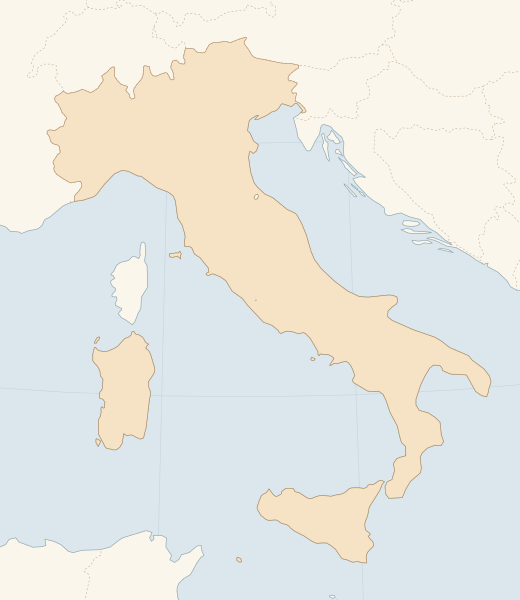
Caves inhabited for millennia, frescoed rock churches and the Bruna festival: the ancient and symbolic face of Matera, the city of the Sassi in Basilicata.
Few places in the world show the continuity of human presence as Matera does. On a rocky ridge overlooking the deep ravine of the Gravina, the inhabitants have carved caves, cisterns, houses and churches for millennia, creating the districts known as the Sassi: the Sasso Barisano and the Sasso Caveoso, separated by the Civita hill on which the cathedral stands. Recognised as a UNESCO World Heritage Site in 1993 and European Capital of Culture in 2019, the Sassi hold an extraordinary heritage of sacred and popular memories.
A carved city
On the Murgia plateau facing the city there are traces of prehistoric settlements and Neolithic entrenched villages. Over the centuries the local calcarenite, commonly called tufo, was dug out to create dwellings that extended deep into the rock, with façades built on the outside. An ingenious system of channels and cisterns collected rainwater, a precious resource in an arid land. The Palombaro Lungo, beneath Piazza Vittorio Veneto, is one of the largest and most impressive cisterns in the city.
In the twentieth century life in the Sassi had become extremely harsh, with families and animals crammed into the same rooms and dramatic sanitary conditions. Carlo Levi described their poverty in his famous book about his internal exile in Lucania, drawing national attention. With a special law in 1952 the State began relocating the inhabitants to new purpose-built districts. The Sassi remained empty for a long time, before a slow and extraordinary rebirth.
The rock churches
In the territory of Matera there are more than a hundred churches carved into the rock, many of them frescoed between the early Middle Ages and the modern era. Latin and Byzantine influences intertwine in them, linked also to the presence of monastic communities of Eastern tradition. Santa Maria de Idris, Santa Lucia alle Malve and San Pietro Barisano preserve paintings of saints, Madonnas and sacred scenes worn by time and damp, yet still able to convey intense devotion.
The most famous case is the Crypt of Original Sin, in the Picciano ravine, rediscovered in 1963. Its walls display a cycle of frescoes datable to between the eighth and ninth centuries, with the creation of light and darkness, Adam and Eve and the serpent, alongside figures of the apostles and the Virgin. It is one of the oldest records of early medieval painting in southern Italy and a moving example of theology told through images.
The Bruna and the destroyed float
On 2 July Matera celebrates its patron, the Madonna della Bruna, with a festival whose origins are traced back at least to the fourteenth century. The climax is the «strazzo»: a large triumphal float of papier-mâché, built over months by craftsmen, is stormed and torn to pieces by the crowd after carrying the sacred image in procession. The fragments are taken home as keepsakes and as a token of good fortune for the year.
The meaning of the rite is debated. Tradition speaks of an ancient custom meant to prevent the float from falling into enemy hands; anthropologists read it as a rite of destruction and renewal, similar to those that mark the cycle of the agricultural year. Matera thus teaches that the sacred, in the South, does not dwell only in cathedrals: it lives in caves, in cisterns, in walls blackened by lamp smoke and in collective festivals, in an unbroken dialogue between the rock and those who inhabit it.