
Gamla Uppsala and the temple of the Norse gods
- Coordinates
- 59.90° N, 17.63° E
- Stop
- Sacred and mysterious places
- Reading
- 3 min read
- Next
- Skellig Michael, the monastery suspended over the Atlantic →
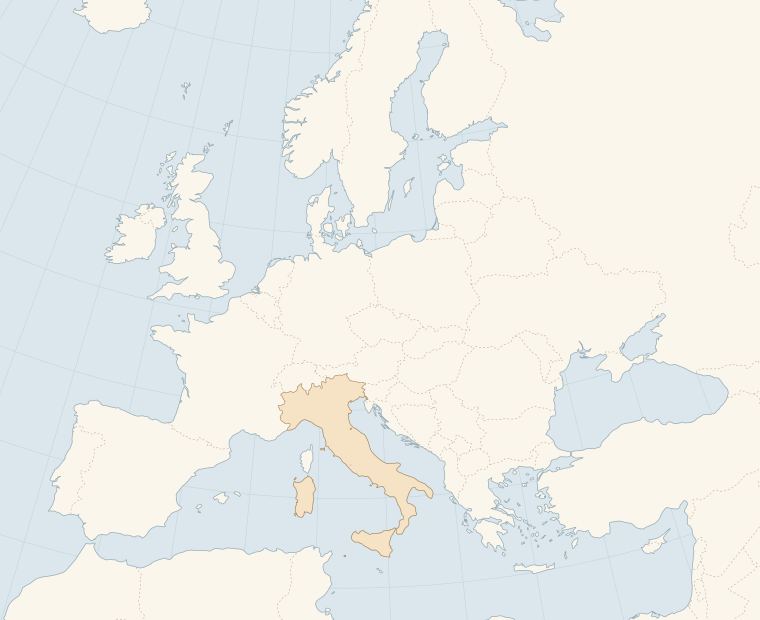
Gamla Uppsala in Sweden: the great royal mounds, the temple described by Adam of Bremen, the nine-yearly sacrifices and the church built on the site.
A few kilometres from the centre of present-day Uppsala, in Sweden, a group of large grassy mounds lines a ridge beside a medieval stone church. This is Gamla Uppsala, Old Uppsala, one of the most important places of pre-Christian Scandinavia. Here, according to medieval sources, stood a famous temple dedicated to the gods of the North, and here the kings and the people of the Svear gathered for great assemblies and religious feasts.
The royal mounds
The three largest mounds, about ten metres high, were raised in the sixth century AD over cremation burials. Tradition linked them to legendary kings of the Yngling dynasty, told of in Snorri Sturluson's Ynglinga saga, written in the thirteenth century, and alluded to in the Anglo-Saxon poem Beowulf. As early as the nineteenth century they were called the mounds of Odin, Thor and Freyr, but these are popular names, not historical attributions.
Excavations carried out in the nineteenth century in two of the mounds yielded cremated remains, fragments of weapons, ornaments and precious objects, confirming the high rank of the dead. Around the great mounds stretched a vast cemetery of smaller burials, now partly vanished. On the nearby plateau traces of large timber buildings have been identified, perhaps royal residences or feasting halls.
Adam of Bremen's description
The most famous source is the history of the archbishops of Hamburg written around 1075 by the cleric Adam of Bremen. He describes a temple adorned with gold, called Ubsola, in which the statues of three deities were worshipped: Thor in the centre, lord of thunder and weather, Wodan, god of war, and Fricco, god of peace and fertility, to be identified with Freyr. Beside the temple, Adam writes, grew an evergreen tree and a sacred spring.
According to the same author, every nine years a great festival common to all the provinces of Sweden was celebrated, during which sacrifices of animals and, according to his account, of human beings too were performed. Adam states that he reports the testimony of others and writes with the intent of a Christian missionary, so historians read his description with caution, distinguishing plausible data from polemical or exaggerated elements.
From temple to church
When Sweden converted to Christianity, between the eleventh and twelfth centuries, a church was built on the site and became the seat of the first Swedish archbishopric, established in 1164. In the thirteenth century the see was moved to present-day Uppsala, where the great Gothic cathedral rose, while the church of Gamla Uppsala remained a parish church. Excavations under and around the church have identified postholes of older buildings.
Whether these traces truly belong to the temple described by Adam is still debated. Some scholars think rather of a great royal hall, also used for rites, than of an exclusively religious building. Today a museum beside the mounds tells this complex story, and the landscape of Gamla Uppsala remains one of the places where the passage from the world of the Norse gods to the Christian one can best be felt.