
Newgrange and the light of the winter solstice
- Coordinates
- 53.70° N, 6.47° W
- Stop
- Sacred and mysterious places
- Reading
- 3 min read
- Next
- The labyrinth of Chartres Cathedral →
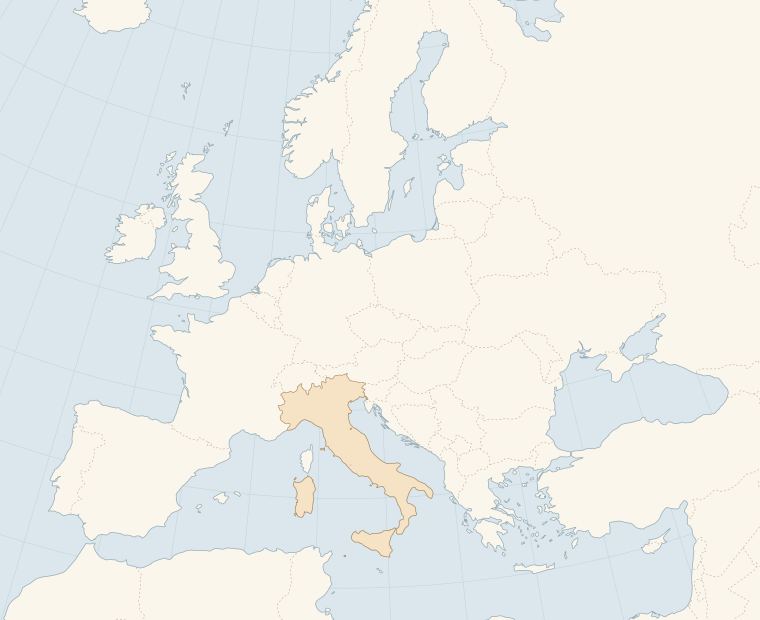
Newgrange in Ireland is older than the pyramids of Giza: the passage tomb, the roof-box, the light of the solstice and the myth of Aengus.
In the valley of the River Boyne, in the Irish county of Meath, a large circular grass-covered mound faced with white quartz holds one of the oldest monuments in Europe. Newgrange was built around 3200 BC, centuries before the stone phase of Stonehenge and the pyramids of Giza. For archaeologists it is a passage tomb; for Irish tradition it was the dwelling of gods. Every year, in the days of the winter solstice, an event takes place here that still moves those who witness it.
A mound of stone and earth
The monument is about 85 metres in diameter and is ringed by 97 large kerbstones, many of them carved. The most famous is the entrance stone, decorated with the celebrated triple spiral and lozenge motifs, which has become a symbol of ancient Ireland. A passage about 19 metres long leads to a cruciform chamber, roofed by a corbelled vault that has kept the chamber dry for more than five thousand years.
The site is part of the Brú na Bóinne complex, which also includes the mounds of Knowth and Dowth and dozens of smaller monuments. In 1993 UNESCO inscribed it on the World Heritage List. Knowth alone preserves a significant share of all the megalithic art known in western Europe. In the Newgrange chamber the excavations recovered burnt and unburnt human remains, placed in large stone basins set in the side recesses.
The roof-box and the winter sun
Above the entrance there is a small stone opening, the so-called roof-box. During the excavations led by Michael J. O'Kelly between 1962 and 1975, the archaeologist understood its function, and in December 1967 he was among the first in modern times to see the light of the winter dawn travel along the passage to the chamber floor. The phenomenon lasts about seventeen minutes on the days around 21 December.
The alignment is not accidental: the passage rises slightly towards the interior, and without the roof-box the light would not reach the chamber. Today access to the chamber at the solstice dawns is allocated each year by lottery, so great is the demand. The event shows how precisely Neolithic communities observed the path of the sun.
The myth of Brú na Bóinne
In medieval Irish literature the place is called Brú na Bóinne, the dwelling on the Boyne. The tales describe it as the home of the Dagda, father of the gods of the Tuatha Dé Danann, and then of his son Aengus, the young god of love and youth. According to one version of the myth, Aengus gained the dwelling by a trick, asking to live there for a day and a night, which came to mean eternity.
After centuries of oblivion, the mound was rediscovered in 1699, when the landowner had stones removed and the entrance came to light; shortly afterwards the Welshman Edward Lhuyd left one of the first descriptions. The reconstruction of the quartz facade carried out after the excavations remains debated among scholars, but Newgrange is still an extraordinary testimony to the bond between the world of the dead, light and the return of the sun.