
Triora and the witch trials of the sixteenth century
- Coordinates
- 43.99° N, 7.76° E
- Stop
- Turin and Northern Italy
- Reading
- 3 min read
- Next
- The three arrows of Strada Maggiore and the secrets of Bologna →
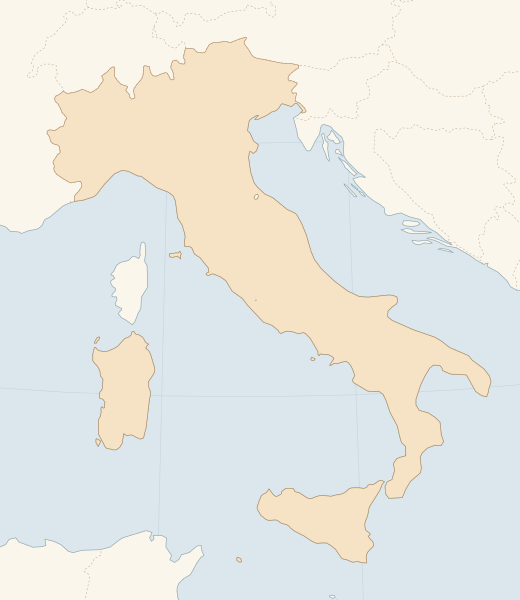
Triora, a village in inland Liguria, and its witchcraft trials of 1587-1589: famine, accusations, the commissioner Scribani and the memory kept there today.
Perched at almost eight hundred metres in the Argentina Valley, in the hinterland of Sanremo, the village of Triora is known as the village of witches. This label, now also used for tourism, refers to a dramatic and well-documented episode: the witchcraft trials that shook the community at the end of the sixteenth century. Understanding that story means entering the heart of early modern Europe's fears and recognising the price paid by women of flesh and blood.
Famine and the first accusations
Between 1587 and 1588 Triora, then under the rule of the Republic of Genoa, went through a severe famine. Lost harvests, hunger and disease fed the search for someone to blame. According to the documents, it was the local council itself that asked for an investigation into the presence of witches, held responsible for the misfortunes. The church authorities intervened with the vicar of the bishop of Albenga and with the inquisitor.
The first accused were women of the village, some of modest condition, others from well-known families. They were questioned, imprisoned and subjected to torture, according to the procedures of the time. Under the pressure of interrogation many confessed to practices and nocturnal gatherings, and named other people, widening the number of suspects in a spiral that involved dozens of women.
The commissioner Scribani
In 1588 the Republic of Genoa sent to Triora a lay commissioner, Giulio Scribani, who conducted the investigations with particular harshness. Under his direction the trials spread to other places in the valley, and some of the accused were sentenced to death. Several women died in prison or under torture, while one, according to the chronicles, lost her life falling from a window while trying to escape.
Scribani's conduct aroused doubts and protests, even within the institutions. The matter reached Genoa and was examined by the Roman Inquisition, which claimed its own jurisdiction over crimes of faith. The final fate of some of the accused is not documented with certainty, but the case closed around 1589, leaving a deep wound in the community.
The Cabotina and the village's memory
Local tradition points to a place just outside the village, called the Cabotina, as the meeting place of the alleged witches, who in the local dialect were called bàgiue. It was said that nocturnal gatherings were held there. These tales arose partly from the very confessions extracted during the trials, and should be read as evidence of the imagination of the time rather than as a description of real events.
Today Triora keeps the memory of those events in its Ethnographic and Witchcraft Museum, which presents documents, reconstructions and objects of the valley's peasant culture. The village, with its stone houses, covered alleys and fortifications, preserves intact the atmosphere of a medieval mountain settlement, and every year it draws visitors interested in its history.
The Triora episode belongs to the great wave of trials that swept Europe between the sixteenth and seventeenth centuries. Telling it today means remembering that behind the word witch hide people unjustly accused, victims of collective fear and of a judicial system that allowed torture. It is a memory to be kept with respect, not mere postcard folklore.